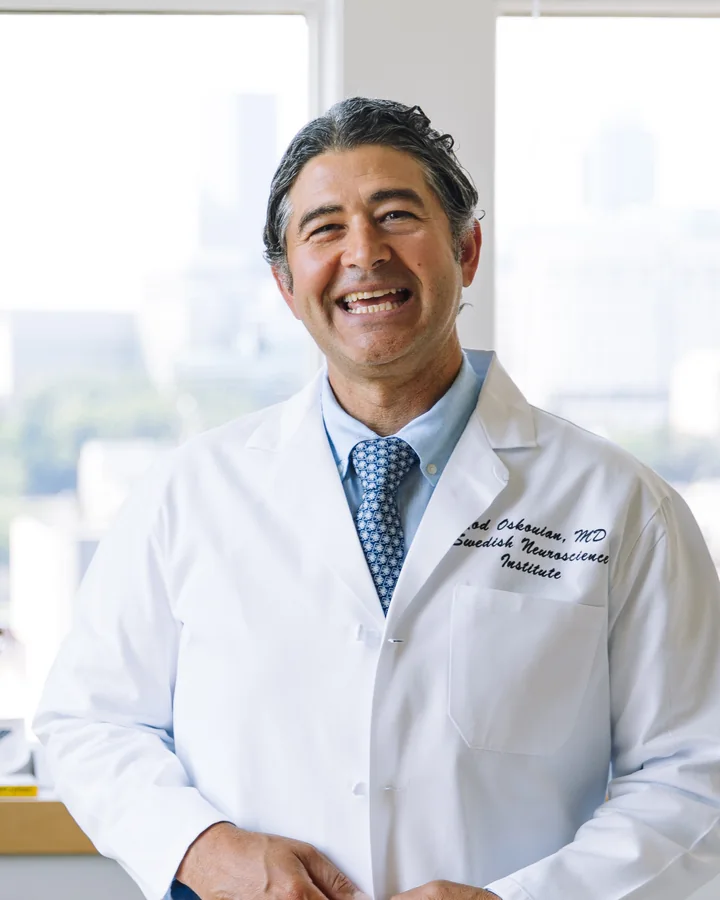
Chief of Complex Spine
Swedish Neuroscience Institute
Patients are seen at Swedish Cherry Hill in Seattle.
Complex and revision spine, adult deformity and spinal tumors.
Call the office (206) 320-2800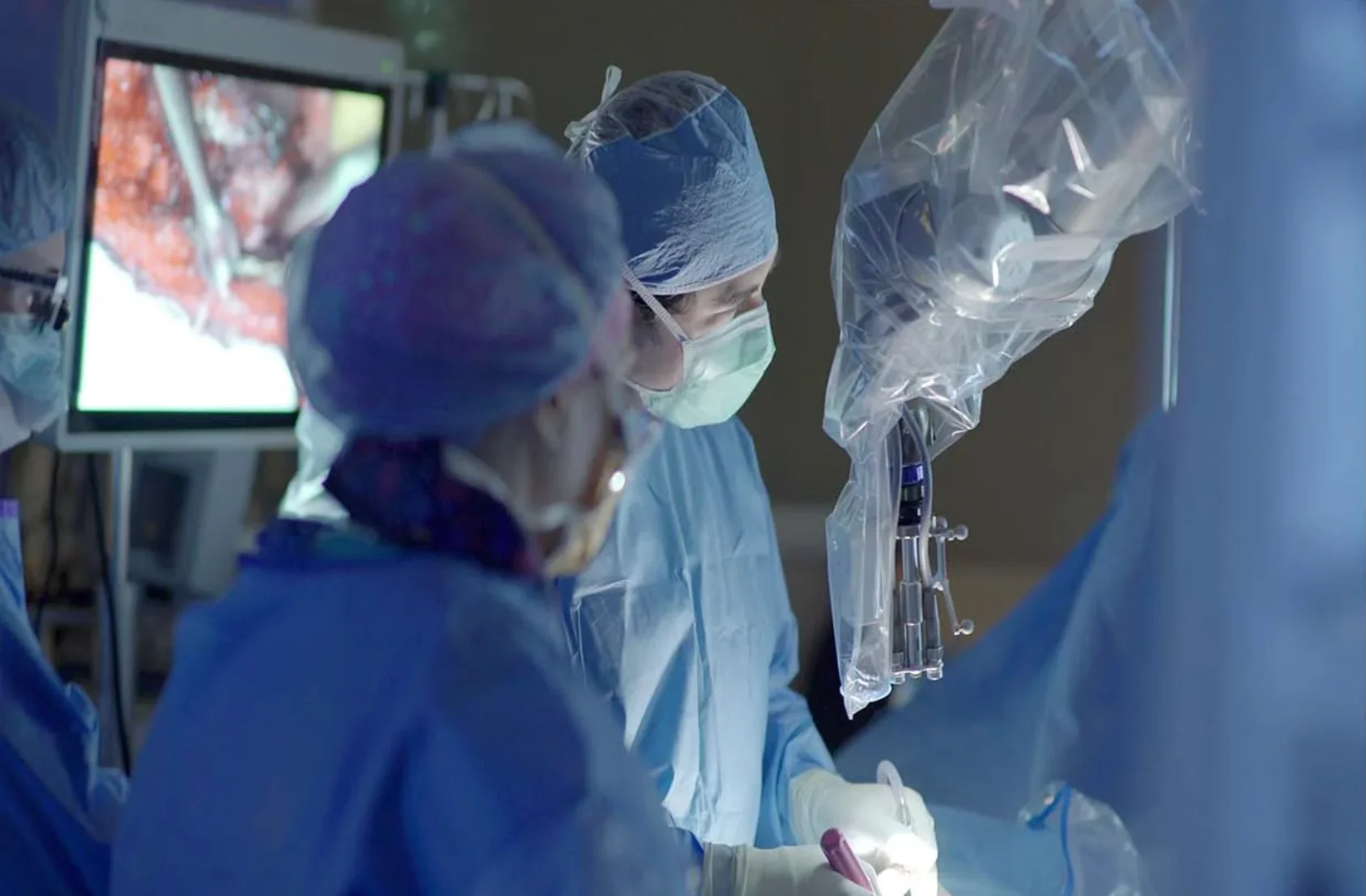
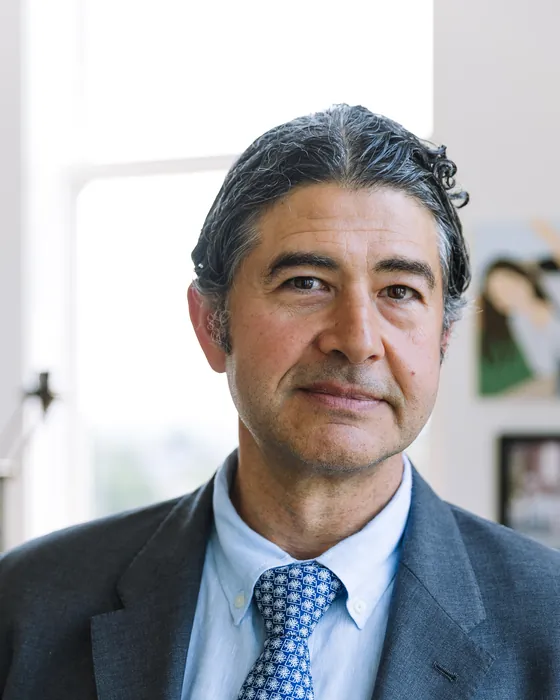
He speaks Farsi.
Born
He moved here from Iran.
Childhood
College
David Geffen School of Medicine, Los Angeles
2001
Internship and neurosurgery residency
He trained under Dr. John A. Jane Sr. Dr. Jane chaired neurosurgery at Virginia for nearly four decades and edited the Journal of Neurosurgery.
2001
2006
University of Virginia
2007
He came back to the city where he went to university.
2008
Swedish Neuroscience Institute
Patients are seen at Swedish Cherry Hill in Seattle.
Complex and revision spine, adult deformity and spinal tumors.
Call the office (206) 320-2800
Swedish Spine Program
The fellowship, for surgeons in trainingSeattle Science Foundation, a nonprofit for surgical education
The foundation, for surgeons and students (opens in a new tab)SSF Spine Residents and Fellows Course
Courses for residents and fellows (opens in a new tab)Washington State University
Mentorship for students and residentsInstitute for Systems Biology, Seattle
His researchEuropean Spine Journal
His publicationsSince 2014 he has collaborated with surgeons from Kenyatta National Hospital in Nairobi.

Seattle Swedish Neuroscience Institute
Nairobi Kenyatta National Hospital
Patients can call his office at Swedish Cherry Hill.
The Seattle Science Foundation streams free surgical case discussions and lectures, plus a free video library on SSFTV. Open to surgeons, residents, and students.